
100 years ago today, some women in the UK were allowed to vote. For the first time in history women who were over 30 years old and either owned property (or lived in property owned by their husband) or had graduated from university were able to have their voice heard in the decisions about who should run the country. 8.4 million women were added to the electorate and came to represent almost 40% of those who could vote.

Organised groups of women were instrumental in this quest for suffrage. The suffragettes and suffragists differed in how they went about their protests but, their intention was the same. They believed that women should have the same right to vote as men. Some partook in peaceful protests, others took more violent approaches. They smashed windows, heckled politicians, chained themselves to railings, took part in marches, went on hunger strikes and damaged property as they tried to get their voices heard, many of them facing time in prison as a consequence of their actions.
Princess Sophia: the Indian princess become suffragette

God-daughter of Queen Victoria, Princess Sophia Duleep Singh became a member and funder of the suffragettes in 1909. She sold ‘The Suffragette’ newspaper outside her home at Hampton Court Palace and took part in a march at the Houses of Parliament which later became known as the Black Friday demonstration. 400 women took part in the march and Princess Sophia saw many of her fellow suffragettes physically assaulted by the police when the march was broken up. On the day of the King’s Speech to parliament Princess Sophia attended the suffragette demonstration and jumped in front of the Prime Minister’s car whilst displaying a ‘Give Votes to Women’ banner.

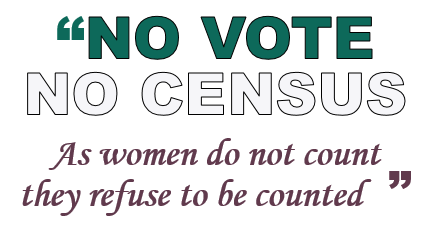
My favourite story of Princess Sophia’s actions that she was sent to court for refusing to pay taxes for her dogs, carriage and servant. Her response was, “When the women of England are enfranchised I shall pay my taxes willingly. If I am not a fit person for the purposes of representation, why should I be a fit person for taxation?” Some of her possessions were impounded to pay her fines, but other members of the suffragettes brought them from auction to return them to her. She also wrote ‘NO VOTE, NO CENSUS. As women do not count they refuse to be counted, and I have a conscientious objection to filling up this form’ on her census form.
Women in World War I
When World War I broke out the suffragettes faced a choice. As men were sent to the front to fight the women of the UK stepped up to take on many of the roles that had typically been played by men. Led by Emmeline Pankhurst, the suffragettes suspended their campaign in order to help their country.
During World War I, Princess Sophia Duleep Singh stopped her suffragette activities and volunteered with the Red Cross. She became a Voluntary Aid Detachment (VAD) Nurse at the Percy House Auxiliary Hospital in Isleworth. During the war she gave more than 2000 hours to treat wounded soldiers who were surprised to be treated by an Indian princess.


Why EmpowHER think she’s great
Princess Sophia was, without question, an incredible woman. She did not consider her privilege or wealth things to be protected, but used them to help others have their voice heard. She put aside her privilege to aid the fight for suffrage and put aside her comfort to help wounded soldiers. Her courage and passion should be an inspiration to all of us.
“A radical suffragette for the rest of her life, Sophia chose to risk her comfortable and privileged life to fight for causes she felt passionate about.”
Sanchari Pal in The Better India
 British Red Cross EmpowHER